Optimal Timing for Radiant Floor Repairs
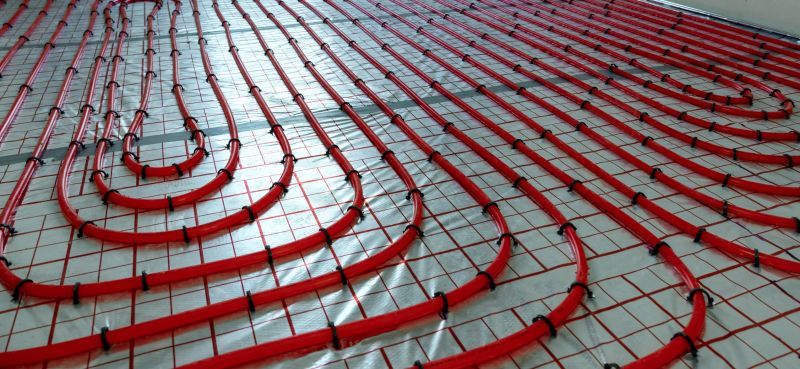
Spring offers moderate temperatures ideal for repairs, reducing the risk of thermal expansion issues.
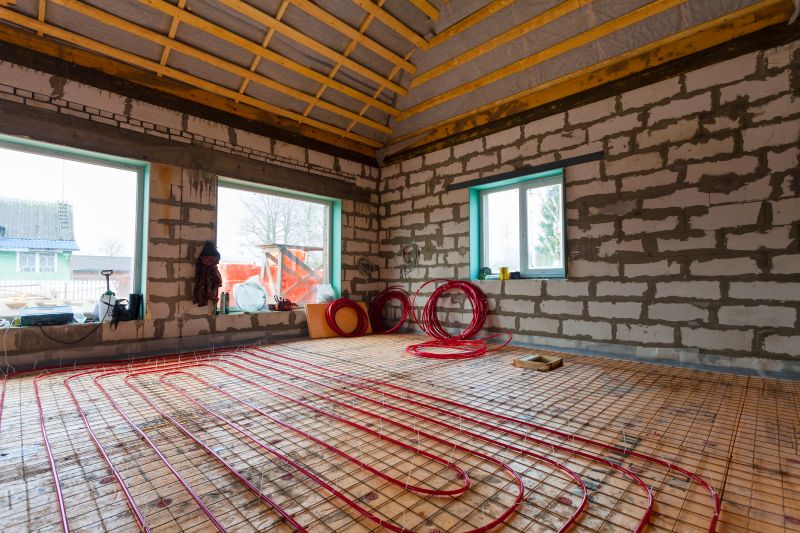
Summer's warmer weather can facilitate faster curing times, but extreme heat may require additional precautions.
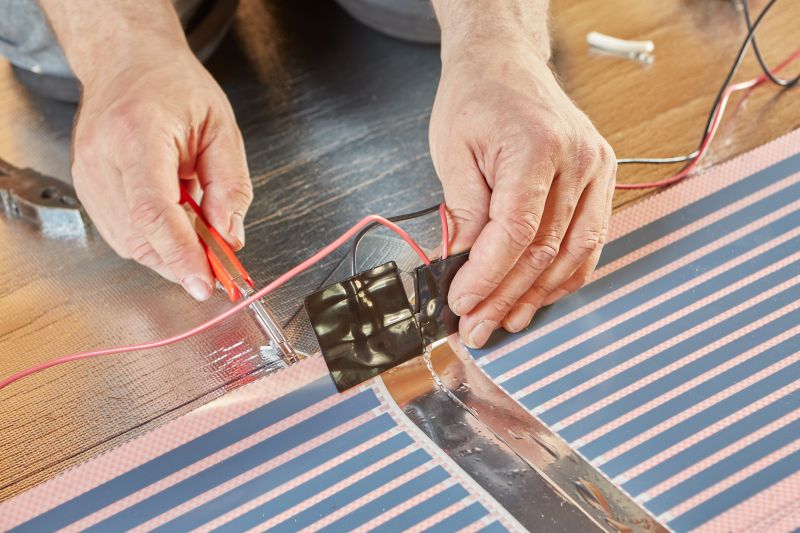
Fall provides cooler temperatures and less humidity, which can be advantageous for repair projects.
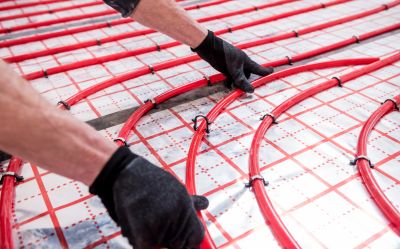
Ways to make Radiant Floor Repairs work in tight or awkward layouts.
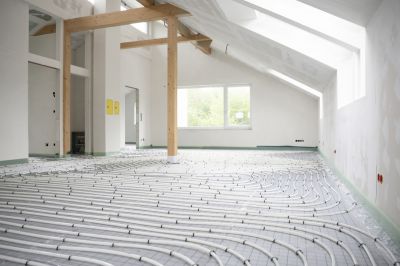
Popular materials for Radiant Floor Repairs and why they hold up over time.
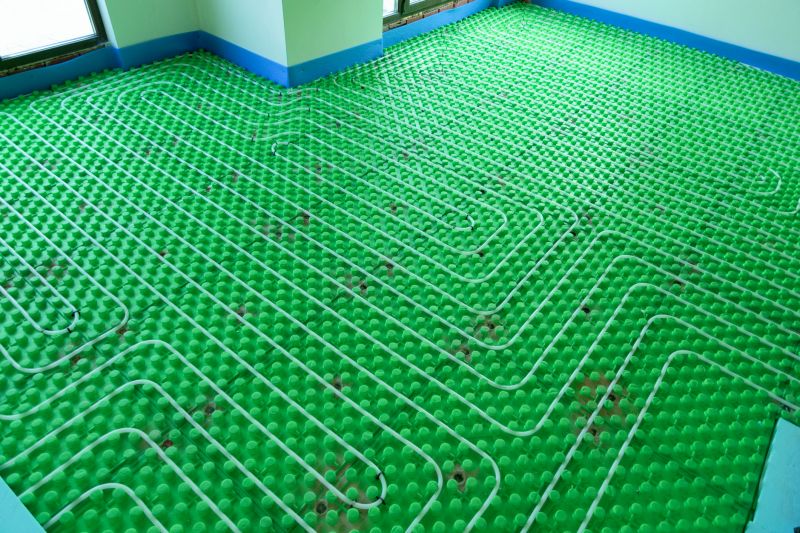
Simple add-ons that improve Radiant Floor Repairs without blowing the budget.
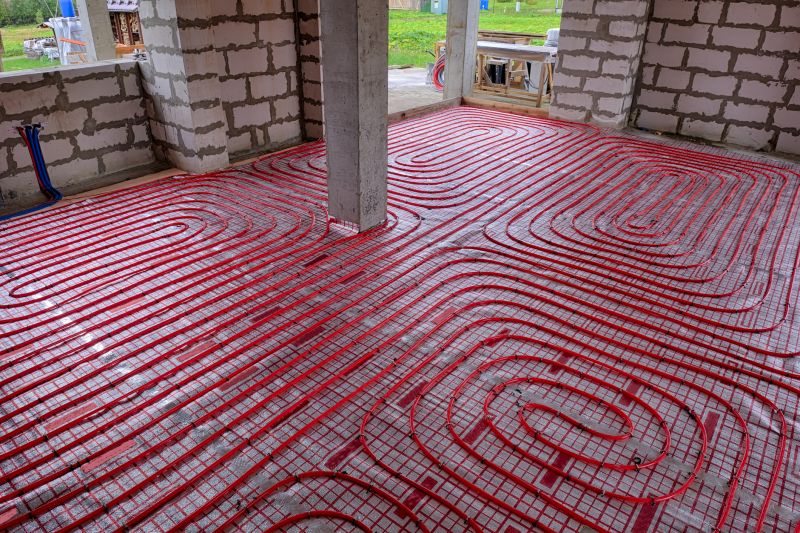
High-end options that actually feel worth it for Radiant Floor Repairs.
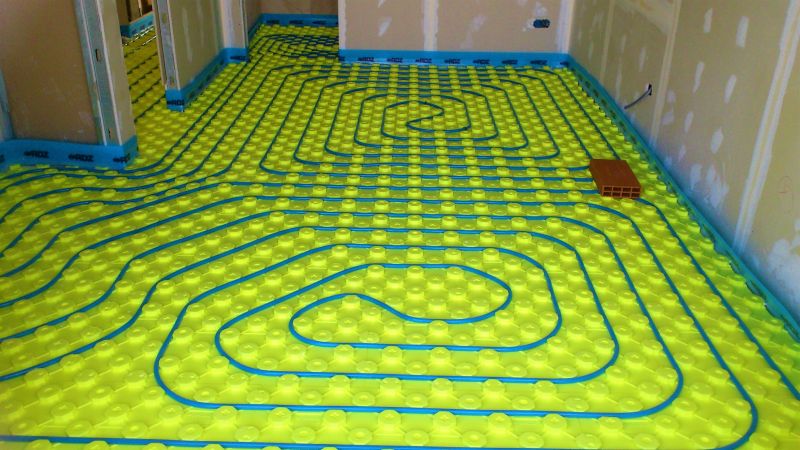
Finishes and colors that play nicely with Radiant Floor Repairs.
Radiant floor repairs involve addressing issues such as damaged heating elements, leaks, or insulation problems within the radiant heating system. Proper timing ensures optimal conditions for repair work, minimizing disruptions and ensuring effective fixes. Seasonal considerations, such as temperature and humidity, influence the repair process's success and durability.
Ideal conditions include moderate temperatures and low humidity, which help materials cure properly and reduce complications.
Spring and fall are generally preferred for repairs due to favorable weather, while extreme summer or winter conditions may pose challenges.
Scheduling repairs during milder seasons can reduce system downtime and inconvenience.
Materials used in radiant floor systems perform best within specific temperature ranges, influencing repair timing.
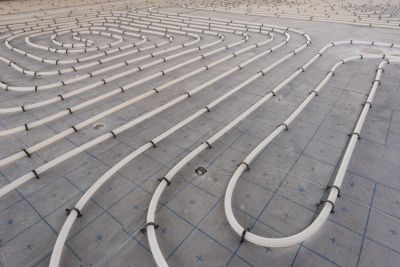
Close-up of damaged heating cables and insulation panels.
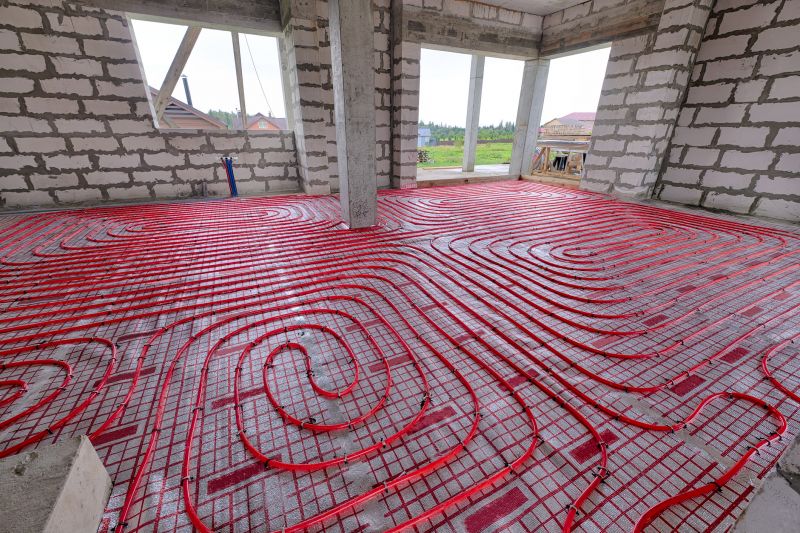
Technicians working on a radiant floor system during optimal weather conditions.
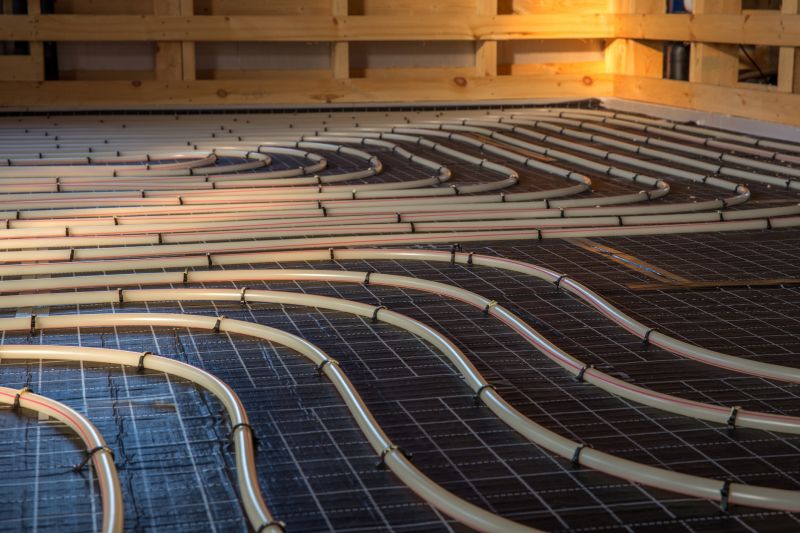
Comparison images showing system improvements post-repair.
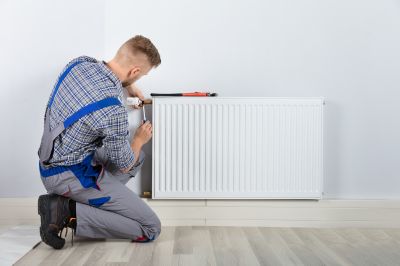
Specialized equipment for diagnosing and fixing radiant floor issues.
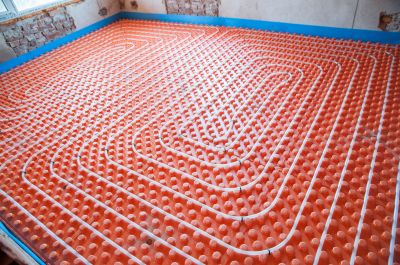
Replacing or repairing insulation panels beneath the floor.
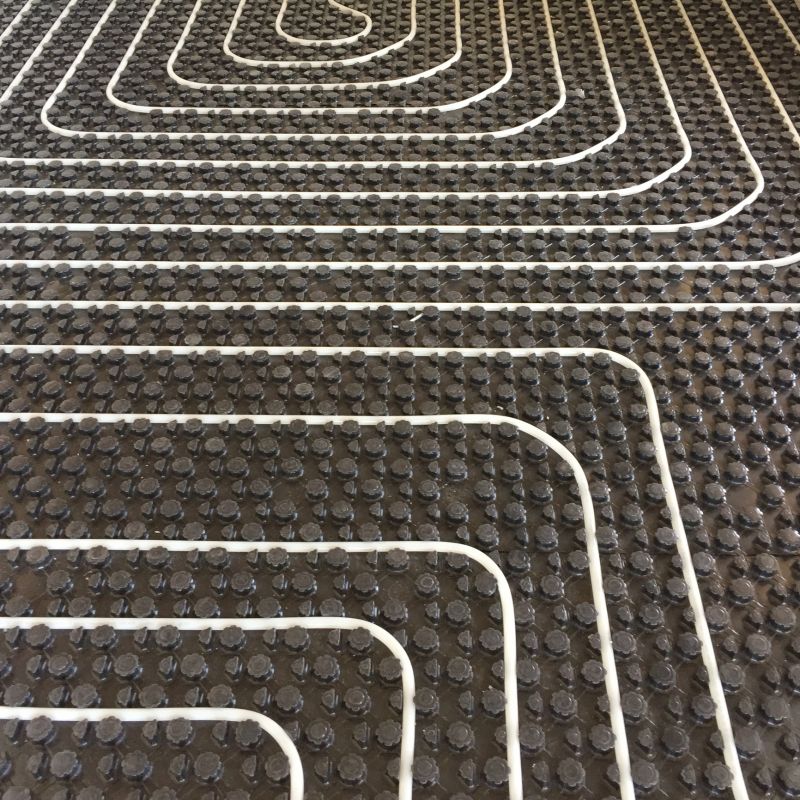
Installing new heating cables or mats.
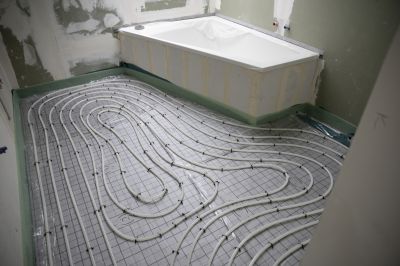
Verifying system functionality after repairs.
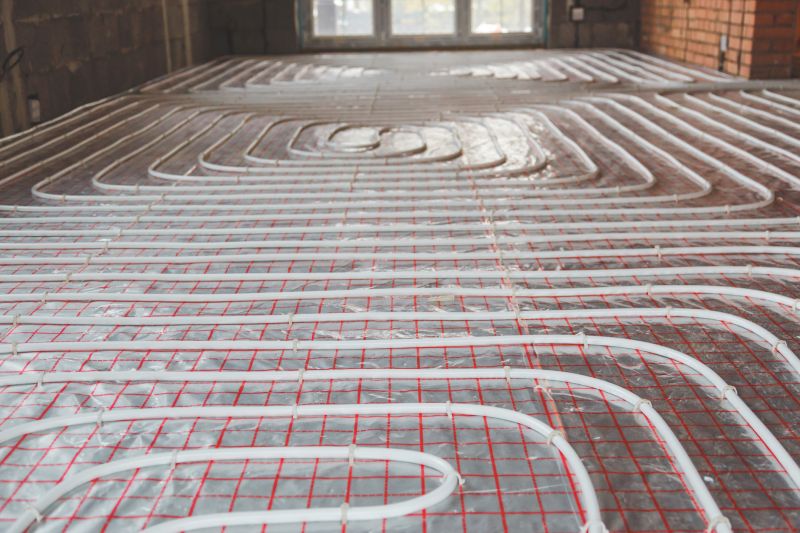
Finished repair with restored system operation.
| Season | Advantages |
|---|---|
| Spring | Moderate temperatures, low humidity, ideal for curing and installation. |
| Summer | Faster curing times, but may require precautions against heat. |
| Fall | Cooler weather, less humidity, suitable for repairs. |
| Winter | Not recommended due to extreme cold and potential moisture issues. |
Timing radiant floor repairs carefully can lead to better outcomes and longer-lasting results. Understanding seasonal influences helps in planning repairs during periods of optimal weather conditions, minimizing potential complications and ensuring the system's efficiency.
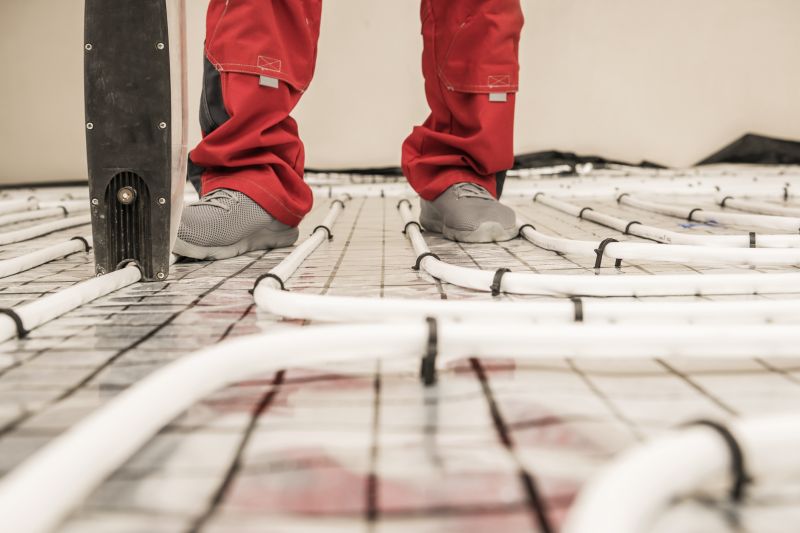
Tools and devices used in diagnosing and repairing radiant systems.
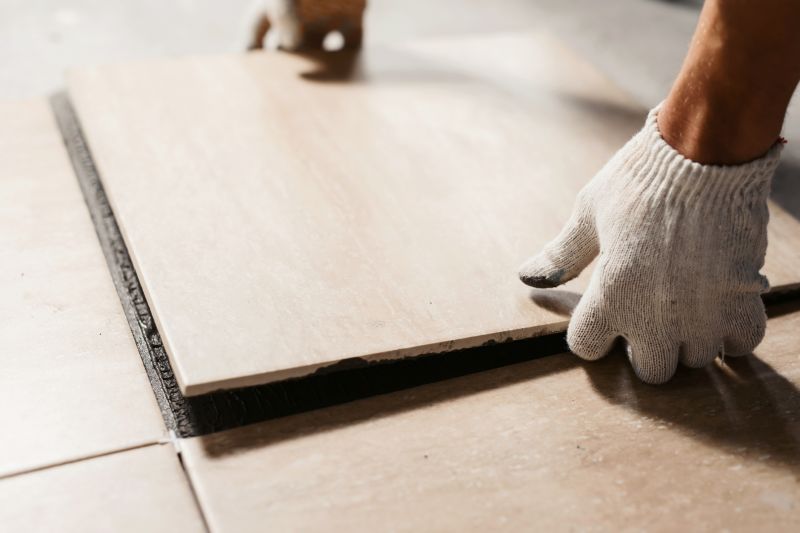
Preparing the floor area for repair work during suitable weather.
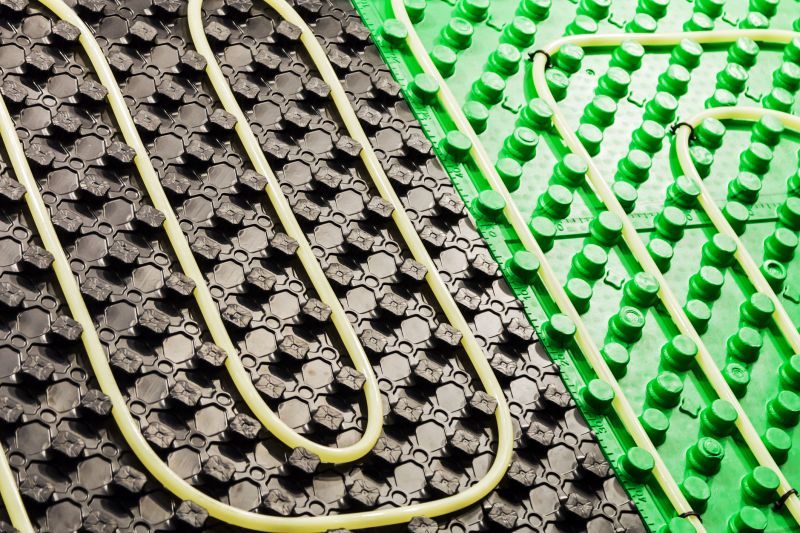
Checking system performance after repairs are completed.
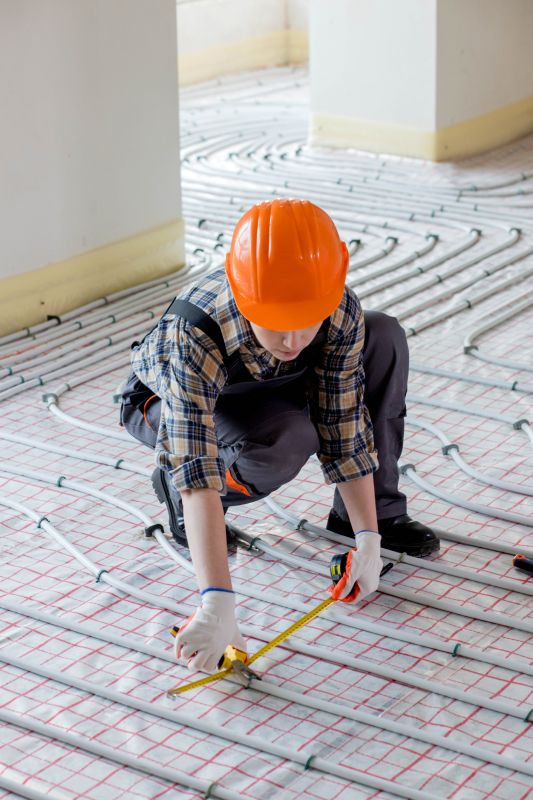
System restored and ready for operation.
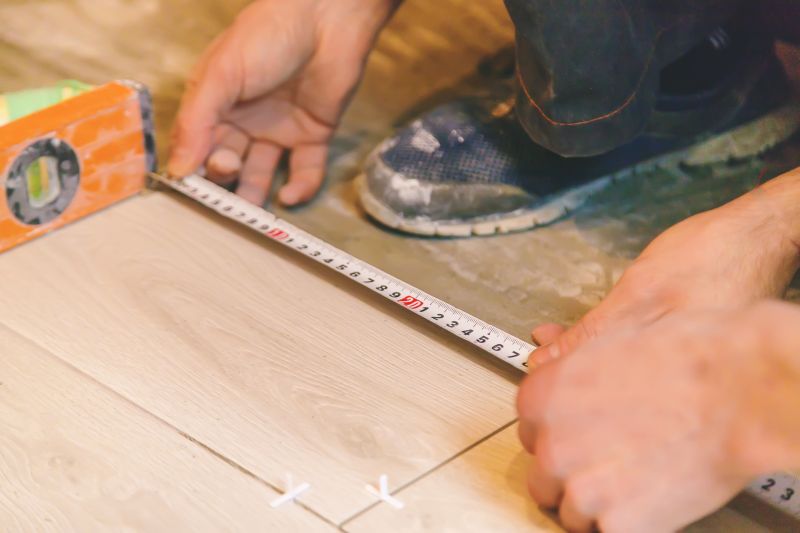
Little measurements that prevent headaches on Radiant Floor Repairs day.
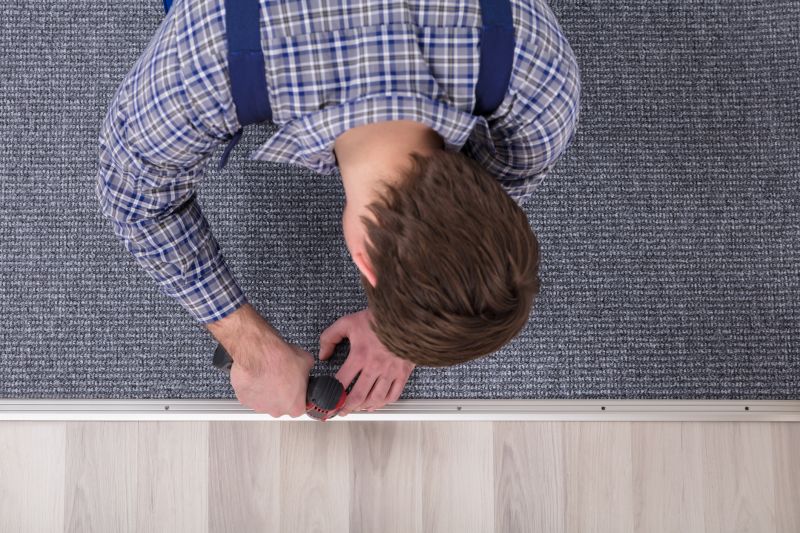
A 60-second routine that keeps Radiant Floor Repairs looking new.
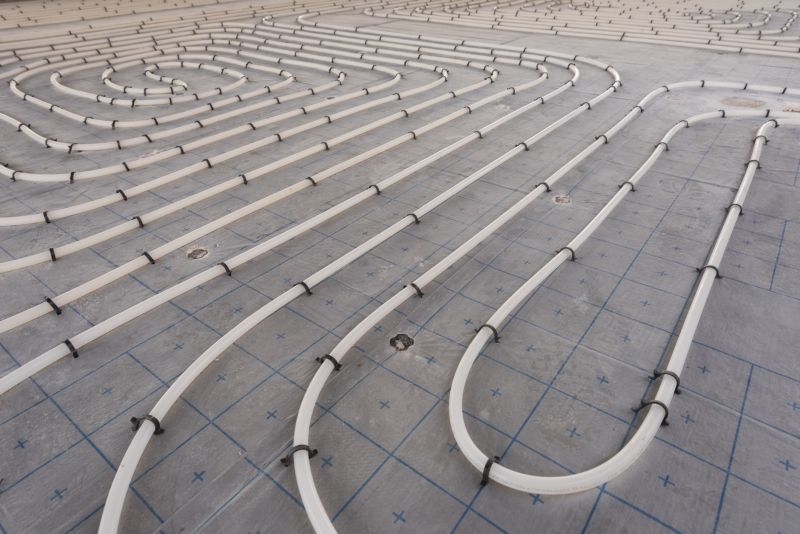
A frequent mistake in Radiant Floor Repairs and how to dodge it.
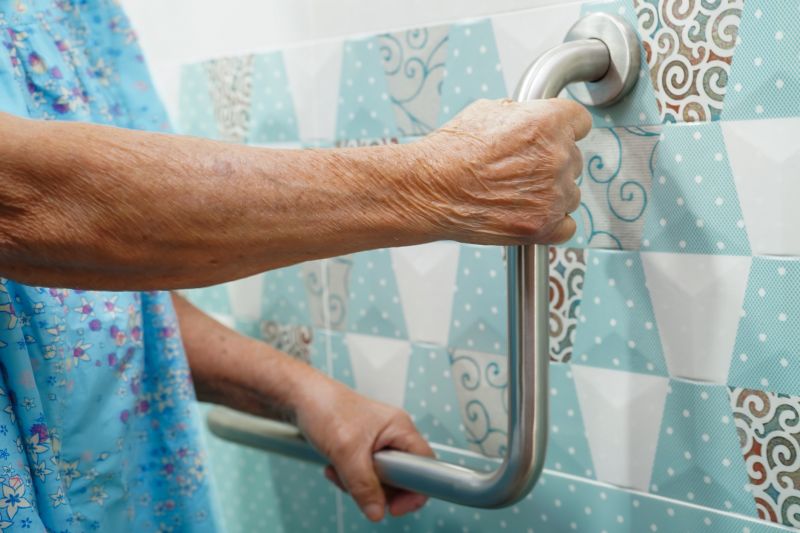
Small tweaks to make Radiant Floor Repairs safer and easier to use.
Interested parties are encouraged to contact for more information or to schedule a radiant floor repair. Proper timing and planning can ensure the longevity and performance of radiant heating systems.